
Documenting Your Family’s Summer Together: Storytelling Photo Tips for Parents
There’s something about summer that makes you want to hold onto time just a little tighter. The days are longer, the rhythms are slower, and the moments with your kids feel both ordinary and fleeting all at once.
Documenting your family’s summer doesn’t mean perfectly posed photos—it can be simple, honest, and rooted in the real story of your days.
If you’ve ever wanted to get better at capturing those in-between moments (this is the same approach I use in my documentary family sessions, this guide will walk you through a few practical ways to document your family’s memories with intention, even if all you have is your phone.
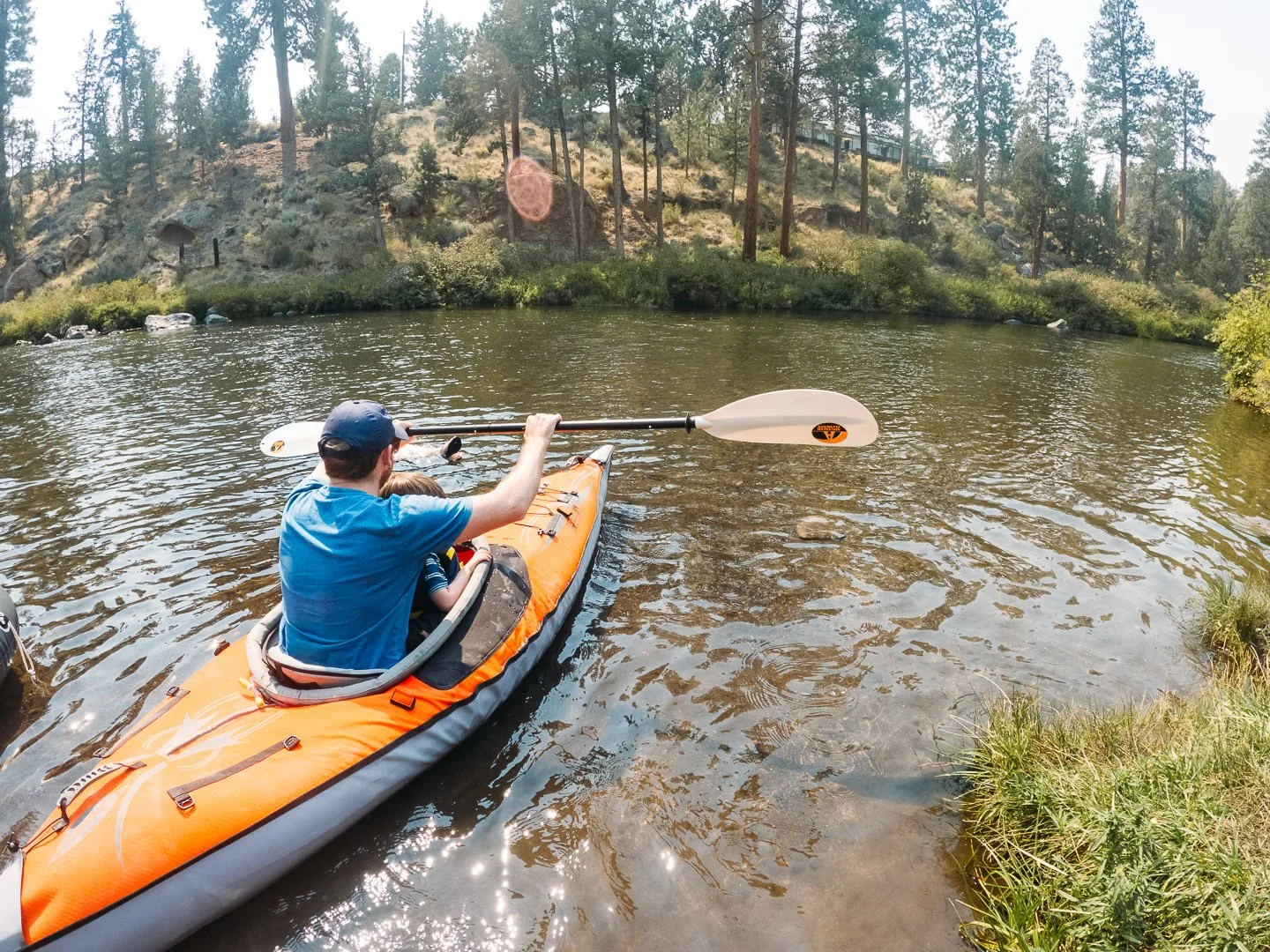
Kayaking the Deschutes River along Tumalo State Park.
Summer in my family means a lot of extra time together. Here in Central Oregon, it also means it’s time to break out the swimsuits, sunscreen, and summer hiking gear because our summer days are long.
Note: Every photo in this blog was taken with an iPhone or a GoPro because that’s usually what we have on hand during summer. Read on for my best tips on capturing those priceless, sun-soaked moments that your kids will cherish for years to come.

Go Pro snap taken at the summer Deschutes County Fair in Redmond, Oregon.
Simple ways to start documenting your family’s summer moments.
The first thing to do is keep a camera handy. Whether it’s a cell phone, go pro, or (for the fun of it) going old school with a disposable film camera - make sure you bring one with you. It doesn’t have to live in your pocket - just be accessible. I usually store my camera in our “go bag” full of snacks, etc.
Choose which moments to cherish to avoid being overwhelmed with taking pictures.
Not every moment is worthy of a photograph, nor does every activity need a picture. My husband often reminds me to put down the camera and enjoy the moment after I’ve snapped a few shots.
With this in mind, I’ve learned to be more intentional about when I take out my camera and what type of pictures I want to take. I like to use photos as a way to imprint a memory—especially when I’m intentionally documenting our everyday family moments. This includes a photo of a special event - like the Deschutes County Fair or a visiting circus. Even if my kids aren’t in the photo, it will help them remember the things we did.
Pro tip: You don’t need 10-20 photos of every single thing you do. You need a solid 1-3 shots of key moments.

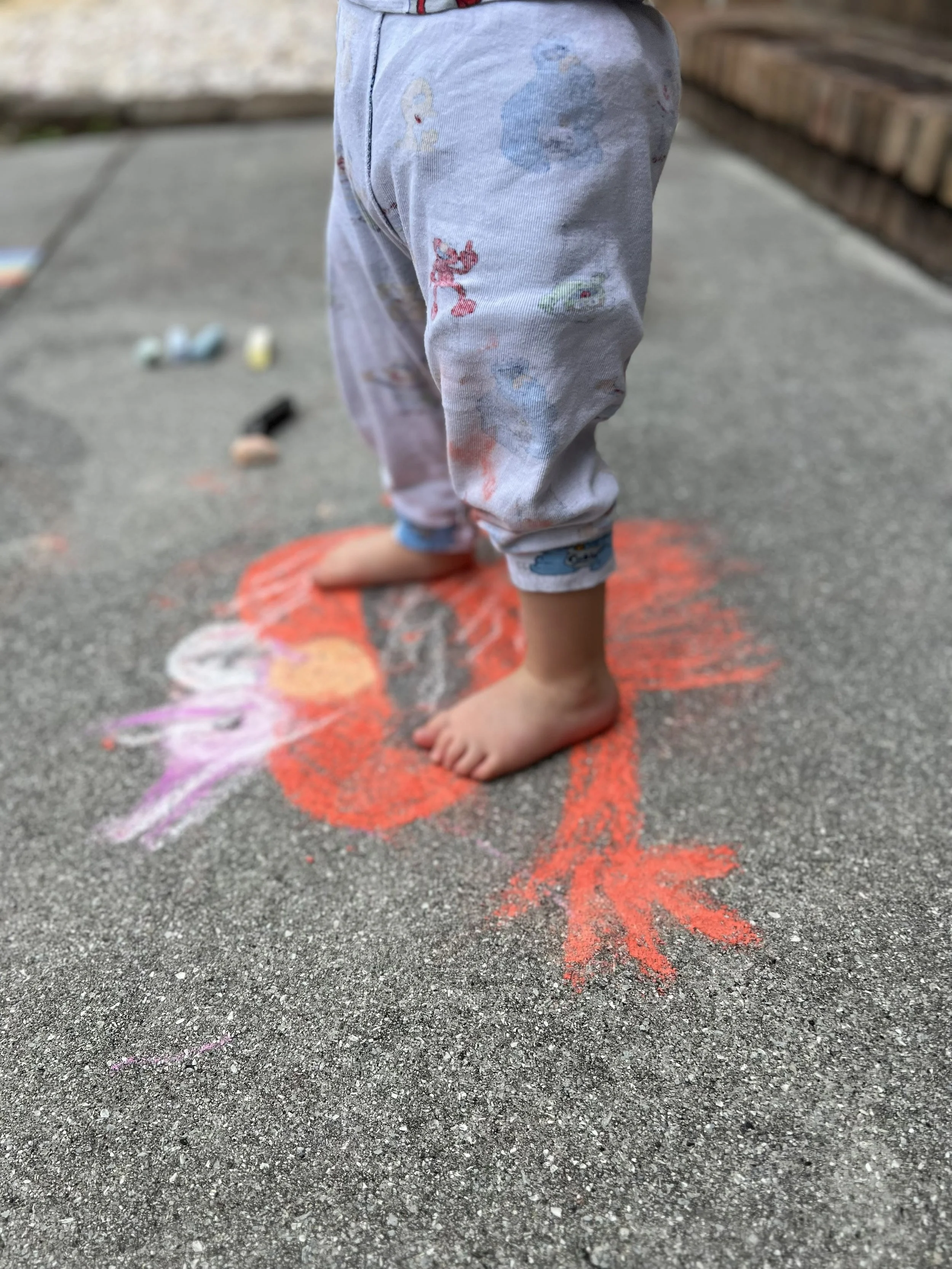
How to handle harsh sunlight in photos with the long summer days.
Photographing in harsh sunlight is a challenge even for pros. Most families enjoy a lot of summer activities in bright sunshine, though. There are a few things you can do to have better lighting in your photo and avoid super-squinty eyes or very harsh shadows on faces.
Position yourself so the sun helps light your photo, not make it too bright.
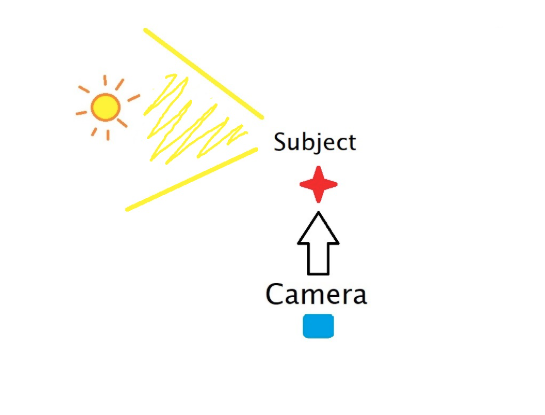
The first way you can handle harsh sunlight is to position it to your advantage. This works best if the sun is not directly overhead. Try taking any photos you want before 11am or after 2pm.
If your subject is a person or animal and their face will be visible, try positioning yourself so the light is hitting their back or side and watch for patches of bright light on their face before snapping that picture. Remember that if it’s bright and sunny, don’t have the light directly behind the camera or directly behind the subject. This will help you avoid parts of the photograph being too bright or too dark.

Use open shade to your advantage while snapping pictures.
The second way to handle harsh sunlight is to find a big, open pocket of shade. Phone cameras process lighting as a whole in an image, so you need fairly even lighting to get bright looking photos while taking a picture of a subject in shade.
Look for wide stretches of shade where sunlight is still visible like along a trail, next to a building, or next to a clump of trees.
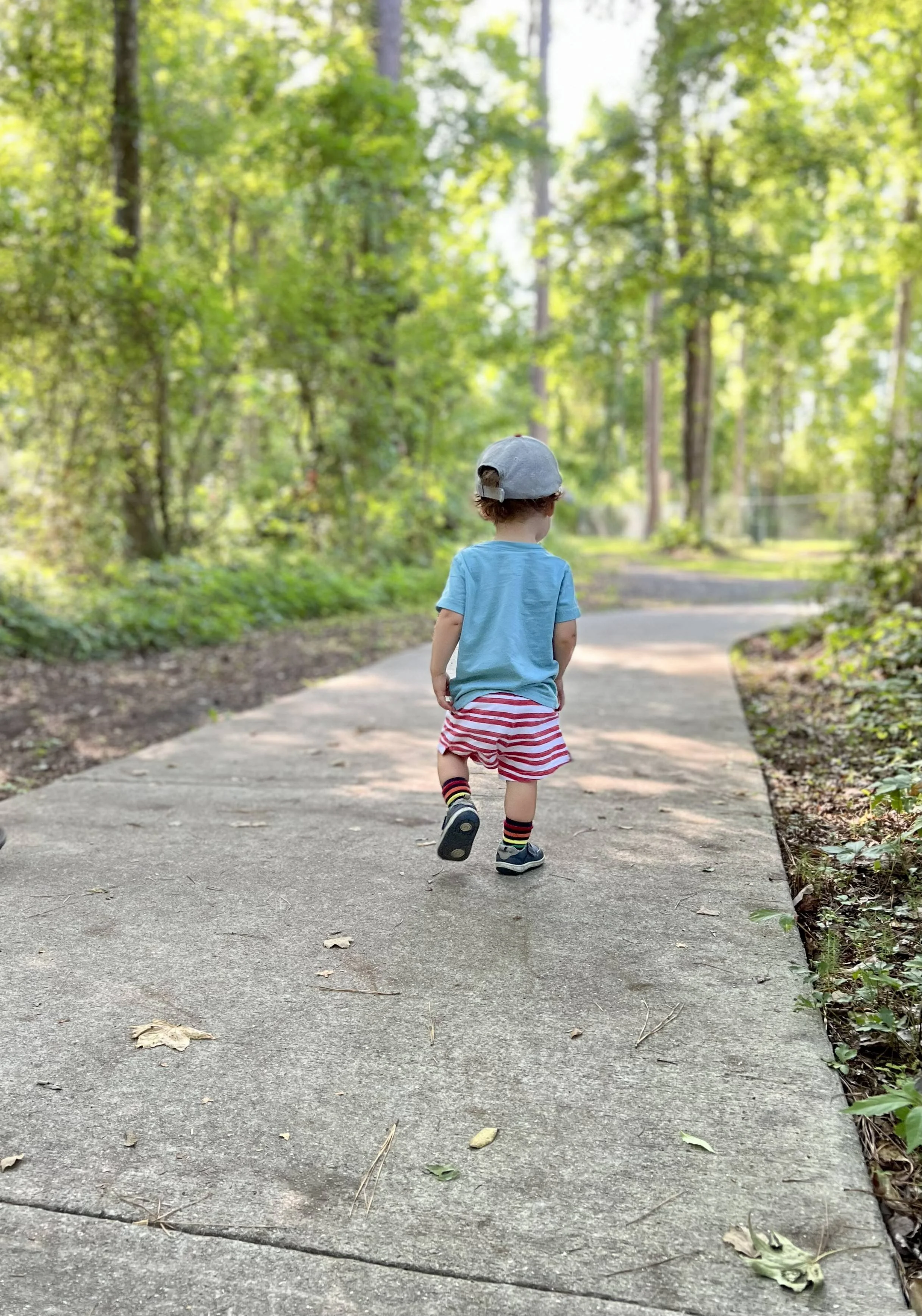
Hiking a shaded trail (left).
Don’t go deep into a forest or put yourself right next to tree trunks - you still want some sunlight visible in the photo. It is best for both the subject AND camera to be covered by some shade.
How to capture connection while documenting your family’s adventures.
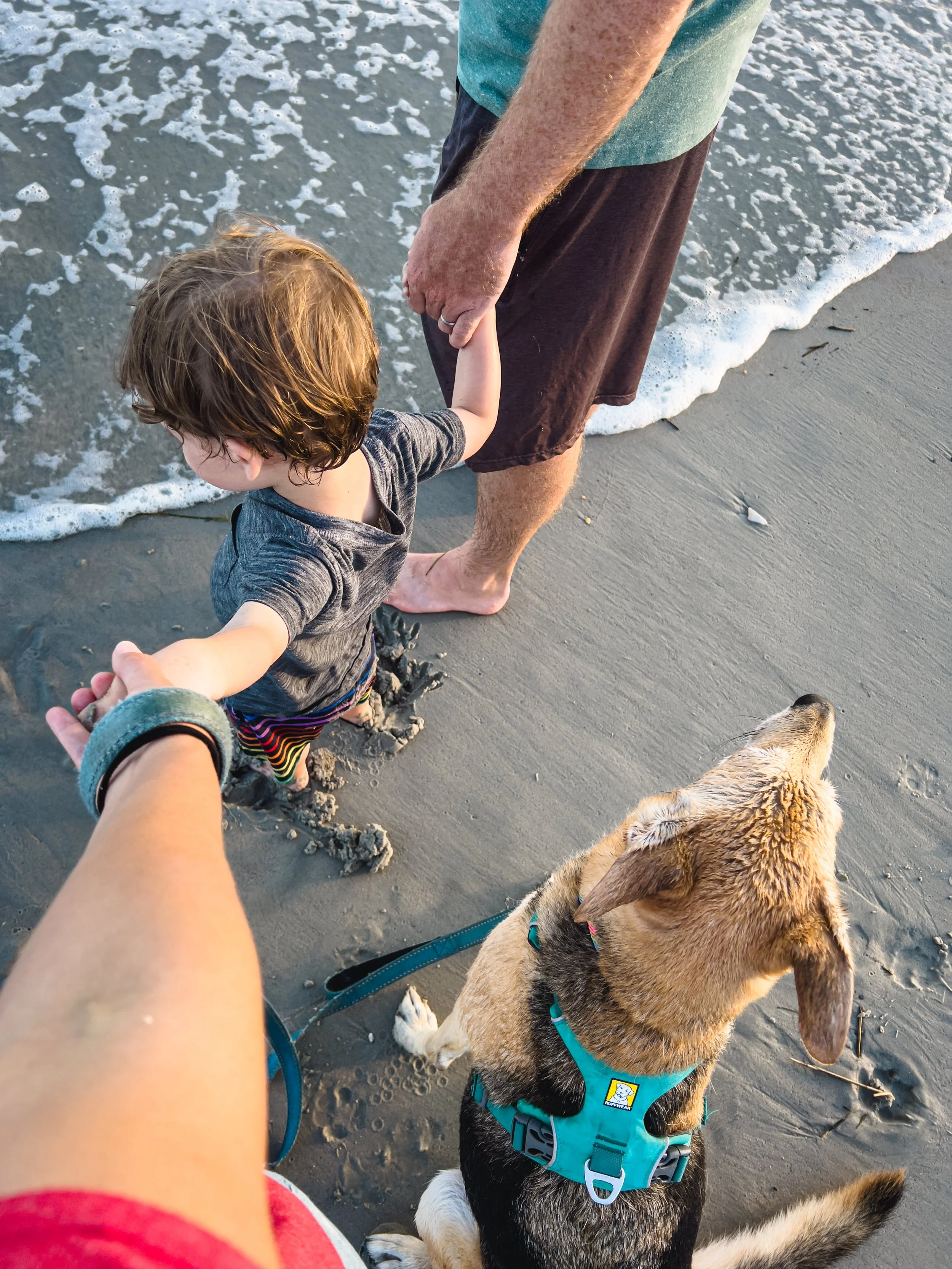
How to convey visible connection is actually (surprisingly) simple. Having your subjects be physically touching when you take a photo automatically reads as an emotional connection when someone views that photo.
Natural physical connection is even better, so think of things your family might already be comfortable with like holding hands, kissing cheeks, holding a child, running fingers through hair, or cuddling.
When you see a moment you want to capture but the subjects aren’t touching each other, give a simple direction to someone who is able to complete the action (like a parent or older sibling). Say something like, “hey honey, hold his hand” and then snap that picture. Or better yet, if you see a candid moment of interaction, whip out that phone and capture it.
Storytelling tips for parents who want more than posed photos.
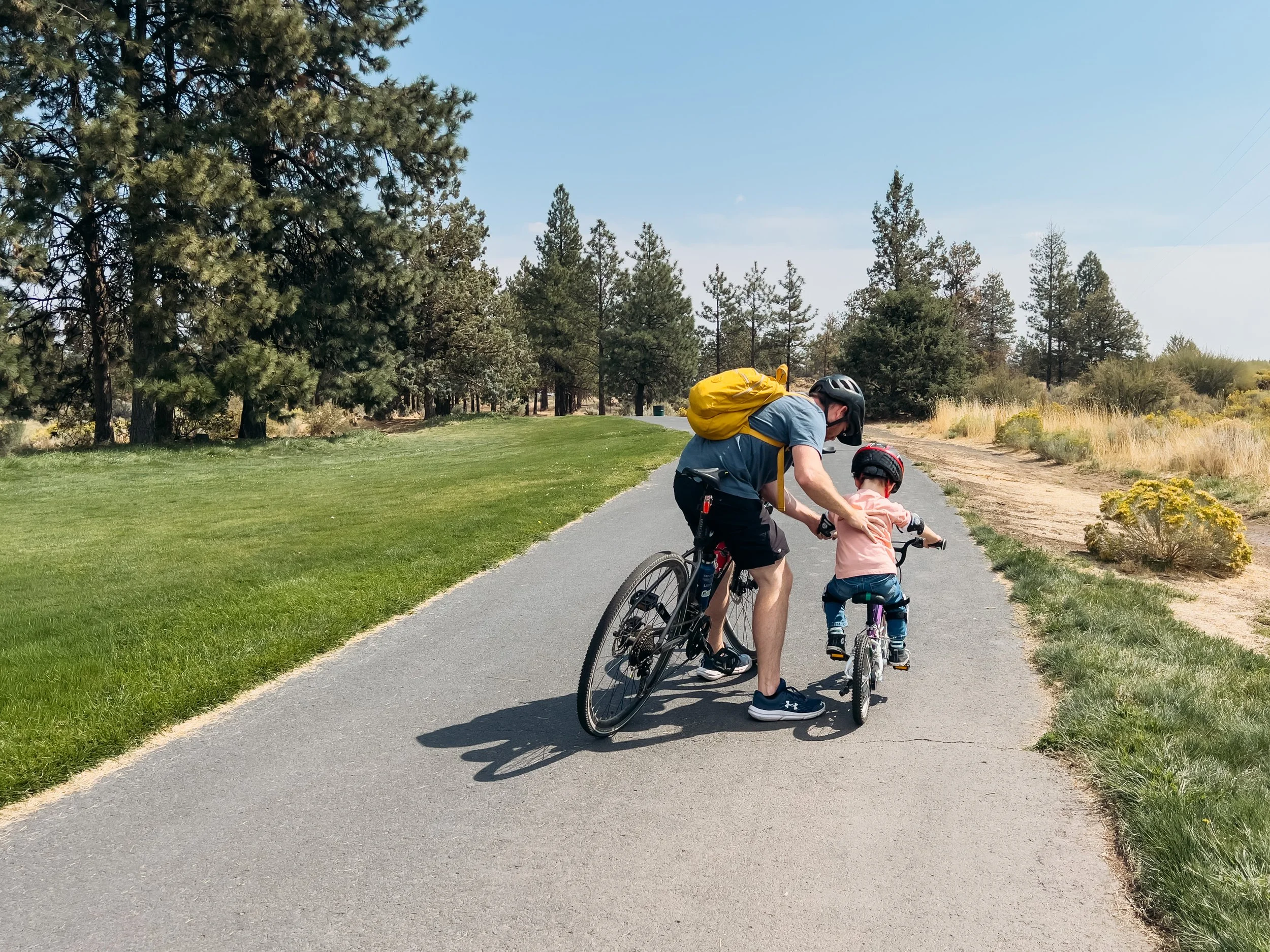
Here’s how to get actual candid photos by documenting family moments as they unfold: don’t interrupt the action. I love genuine emotions, so sneaking a picture in when the subjects are not paying attention to the camera or have their back turned to the camera is a great way to capture a candid moment.
If your family is used to being prompted to smile, it might take some time for them to get used to candid photos. This is actually a big part of what I guide families through during documentary sessions - create space for real interaction instead of performance. You can ease them into it by holding the phone or camera in your hand nearby and encouraging the subjects to continue the activity if they notice you holding the camera. Once their interest is engaged again, position yourself and take a couple snaps.
Pro tip: Don’t ask people to look at your camera - and don’t use the prompt, "say cheese!"
Change your perspective to change the story captured by the camera.
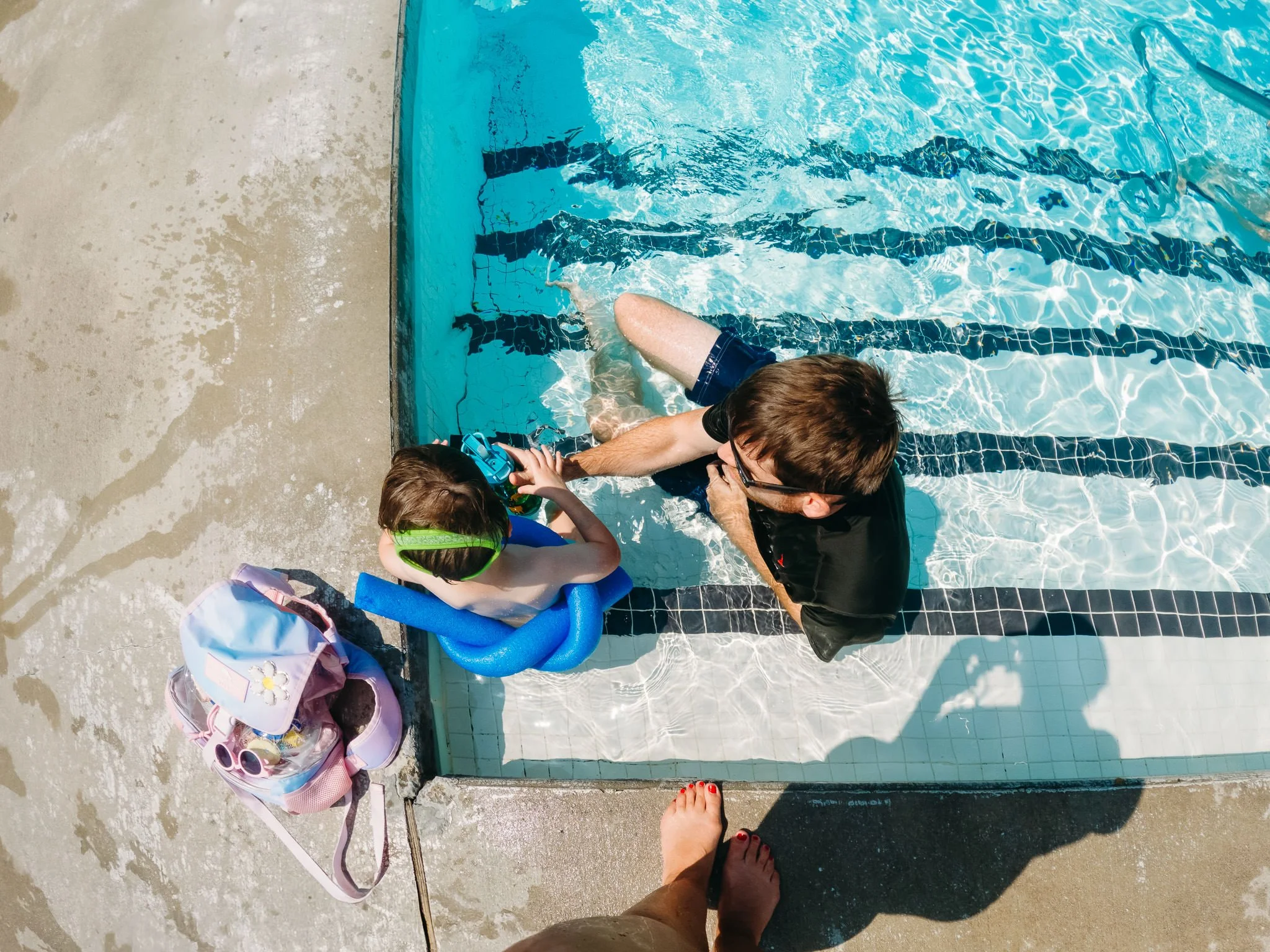
There’s a lot of storytelling that can happen when documenting your family just by shifting the perspective of the camera. I see a lot of adults take pictures of things by standing normally and holding the camera out in front of them.
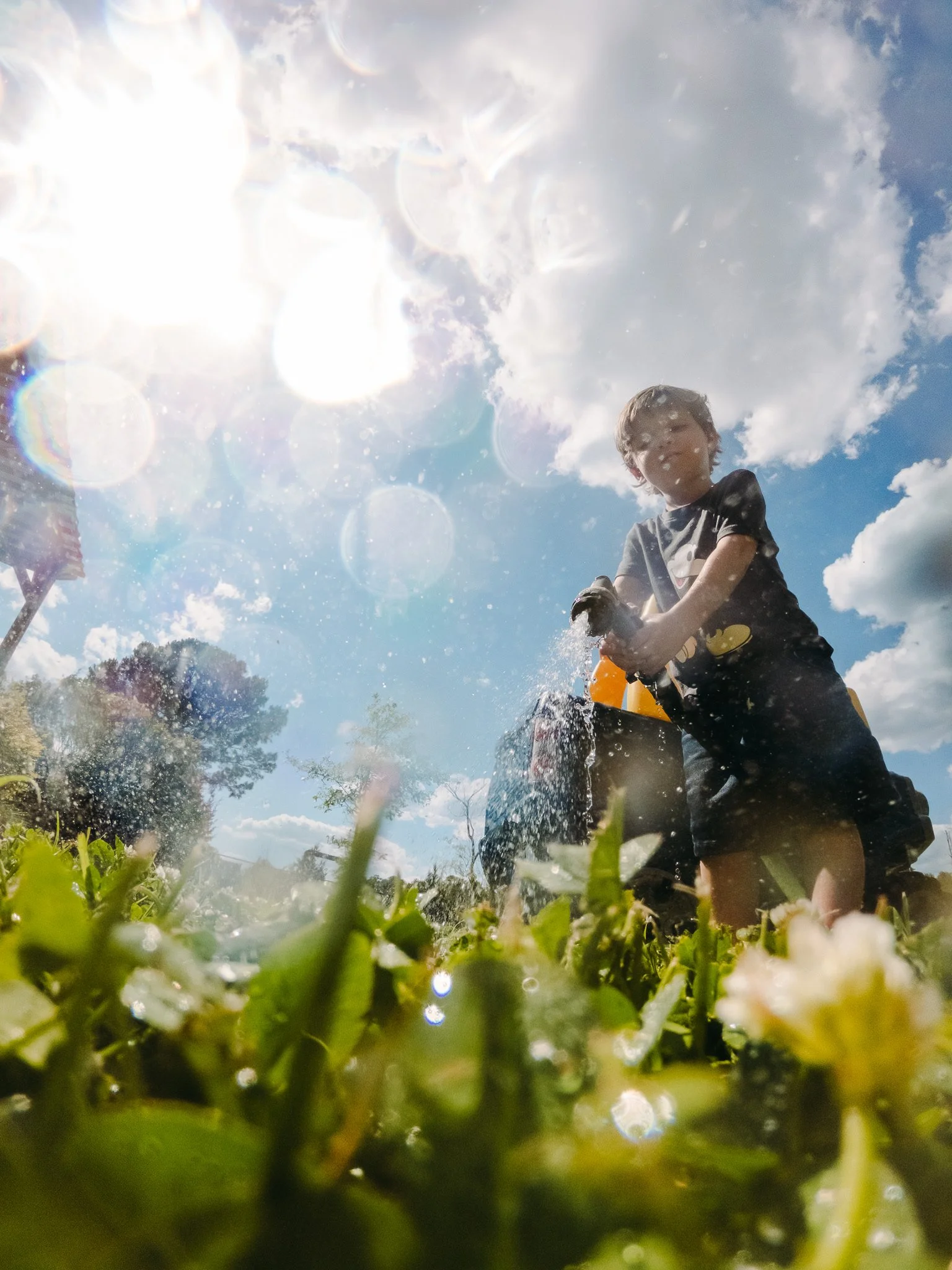
While that is the perspective we are used to seeing the world through, the beauty of taking pictures is that we can capture and preserve a different perspective. Some different perspectives to try with a phone camera are: overhead bird’s eye view, crouching down to a child’s eye-level, wide landscape, down low bug’s eye view, close up in the action, and flipping the phone upside down to get really close.
If you are using a Go Pro, you can take advantage of the ultra-wide lens to capture really wide photos or get the curved, fish-eye look that makes the viewer feel like they are part of the action.

Bonus tip: Keep your cell phone camera roll organized intentionally.
If you’re anything like most parents I know, your cell phone camera roll is full of photos—and most of them are fairly random. On any given day, I’ve sent my husband several photos of funny or unexpected things our kids and dogs are doing. And like most parents, I also tend to take about 5–10 photos of a single moment just to make sure I capture the version that actually feels like the memory I want to keep.
Regularly clear out your camera roll.
Whether it’s in the morning with a cup of coffee or sitting down on the couch at the end of the day, downtime is actually an excellent time to go through your camera roll intentionally.
Start with your recent screenshots and quick snaps, and delete anything you don’t need. Then move into your photo groupings—swipe through images from the same event and notice which ones you naturally react to. The ones that make you smile or pause are your keepers. Save those, and delete the rest.
Finally, don’t let those memories stay buried on your phone. Get them printed.
I highly recommend Mpix Photo Lab- an online photo printing service designed to be easy to use while producing professional-quality prints. (My professional galleries are also delivered through their parent company, Millers Professional Imaging).
At the end of the day, documenting your family’s summer isn’t about getting everything “right.” It’s about noticing what matters and choosing to keep it.
The way your child runs ahead on the trail. The way they reach for your hand without thinking. The way a normal Tuesday afternoon turns into something you’ll wish you could revisit years from now.




The photos you take don’t need to be perfect to be meaningful. They just need to exist. And when you start approaching your camera—whether it’s a phone or something more advanced—with a storytelling mindset, you’ll begin to see your everyday life differently. Not just as something to get through, but as something worth remembering.
If you find yourself craving more of this—more presence, more connection, more honest documentation—that’s exactly what documentary family photography is designed to hold space for. You don’t have to direct every moment or carry the responsibility of capturing it all. You can step into the experience and trust that it’s being preserved for you.
Take a look at your photos on your phone after reading this. Do you tend to use one perspective more often than others? Do you notice a pattern in the way you capture light, setting, or moments?
As you start incorporating these ideas, don’t worry about getting it right immediately. The goal isn’t perfection—it’s awareness. There are plenty of photos on my own camera roll that never make it past the delete button.

Hello, I’m Elise.
I’d love to document your family’s story.
Time is a thief, indeed. But it doesn’t have to steal everything. My approach to documentary family photography is rooted in preserving the real moments that often go unnoticed but mean the most. The way your days actually feel & the connection that already exists. If you’re looking for something deeper than posed photos, you’re in the right place.