
TLDR/Quick Answer: Why is documentary photography important for families? Because the little details of childhood change quickly and can’t be reclaimed, and documentary photos preserve them as they really are: unposed, in the middle of everyday life. A documentary photographer gets to know your family first, then photographs you doing something you already love.
There’s a shift in the family photography industry: parents want to capture photos that feel more like treasured memories and less like posed pictures. So, why is documentary photography important for families? As a Bend, Oregon photographer who loves everyday photos, this is one of my favorite topics to write about.
The moments of childhood are fast and fleeting. If you’re unfamiliar with documentary photography but interested in real memories for your family, this guide covers what documentary photography is and how to get ready for photos documenting your life.
What is documentary photography for families?
Documentary family sessions create truly candid pictures, meaning it is unposed. The photographer isn’t telling you what to do while they are photographing you, but is capturing your family just being yourselves.
Some families might think that a documentary session will result in messy, chaotic, or unattractive photos. This isn't true. An experienced documentary photographer doesn't see a mess; they see the details that make up your reality and curate your final gallery to include the best storytelling images.
Your photos will feel real, not messy.

Why is documentary photography important as your kids grow?
Oftentimes, we can be so wrapped up in the day to day of parenting that we don’t realize when a season is passing us by.
For a few years, my son pronounced cookies as ‘tooties’. It was a sweet mispronunciation that reminded me he was still a toddler. And then one day, he mastered the ‘k’ sound. I stopped what I was doing when I heard “cookie” as clear as day and looked at my husband. Our eyes met, and my husband nodded. In what felt like a blink, our little boy was not little anymore.
Ten years from now, you won't care that there were too many toys strewn about the floor or that the sink was filled with dirty dishes. You’ll want to remember the sounds of your children laughing as they played, how they stood on their tiptoes to reach countertops, and the way life felt during each stage of their growth.
When I think about the little details that change as my kids grow, I know they’re the real reason why documentary photography is important: we can never reclaim these parts of their childhood. My documentary family photography sessions focus on the everyday beauty that shifts as families grow, and these photos help us hold onto all the changing moments. If you’re interested in bottling up time, let’s chat.
What should you expect when booking a documentary photographer?
The real secret to capturing beautiful documentary photos is in the preparation process. A documentary photographer working with families is going to take time to get to know you before showing up to a session. This has the added bonus of forming trust with the photographer prior to being photographed by them. Getting to know a family can be done through a pre-session questionnaire, a call or video chat, a short meetup with a parent (or parents), or a combination of these tactics.
A handful of carefully chosen questions can give a whole lot of information in a short amount of time. And typically once you’ve given this information, a documentary photographer is going to be able to easily point you in the right direction for location and activities (covered in part 2 of this guide).
Here are a few things I ask my clients before the session:
+ What does your family love to do together right now?
+ What do you want to remember most about your kids at this age?
+ How does each member of the family feel about being in front of the camera?
These simple questions tell me a whole lot about what is important to a family in a short amount of time. Whatever a family answers will guide the framework of their particular session, ensuring that it is true to their individual interests.
How do you prep your family for documentary photos?
While most traditional portrait sessions create spaces where families will look at the camera and smile, documentary photography is best when participants ignore the camera. Giving everyone express permission to not look at the camera and telling them they can continue with normal routines sets the stage for photos rooted in real life.
It can be hard to relax in front of the camera if you’re thinking about what you look like. Getting involved in an activity takes your mind off the camera, and remembering there’s no posing takes off the pressure to smile. Kids are usually pretty good at ignoring the camera once given permission to do so, and parents relax if they are focused on something with the kids.

Documentary photography sessions are often longer than more traditional portrait sessions. This extra time gives you space to sink into normal, everyday interactions and gives you breathing room if a kid has big feelings or needs to step away from the camera.
What should we wear for photography documenting life?
Photography documenting life is based on your real activities, so there’s going to be lots of movement and interaction involved. Since these photos are also unposed (meaning not guided), a photographer is not going to be spot checking everything for before they snap the picture. With this in mind, it’s important to think about wearing outfits that are going to work for you with minimal effort.
Your goal is to style your family for the comfortably lived-in feel & avoid common wardrobe malfunctions.
For kids, this is where you can let their personalities and interests shine. Does your toddler have a favorite pair of rainboots? Let them wear the boots. Does your six year old love to dress up? Roll with the costume.
Your current self might be a bit annoyed by these obsessions (I’m a parent also, I get it), but your future self is going to look back on these memories fondly.
If an outfit is something they could comfortably play in at a local spot, like Columbia Park, then it makes the cut for styling documentary photos.
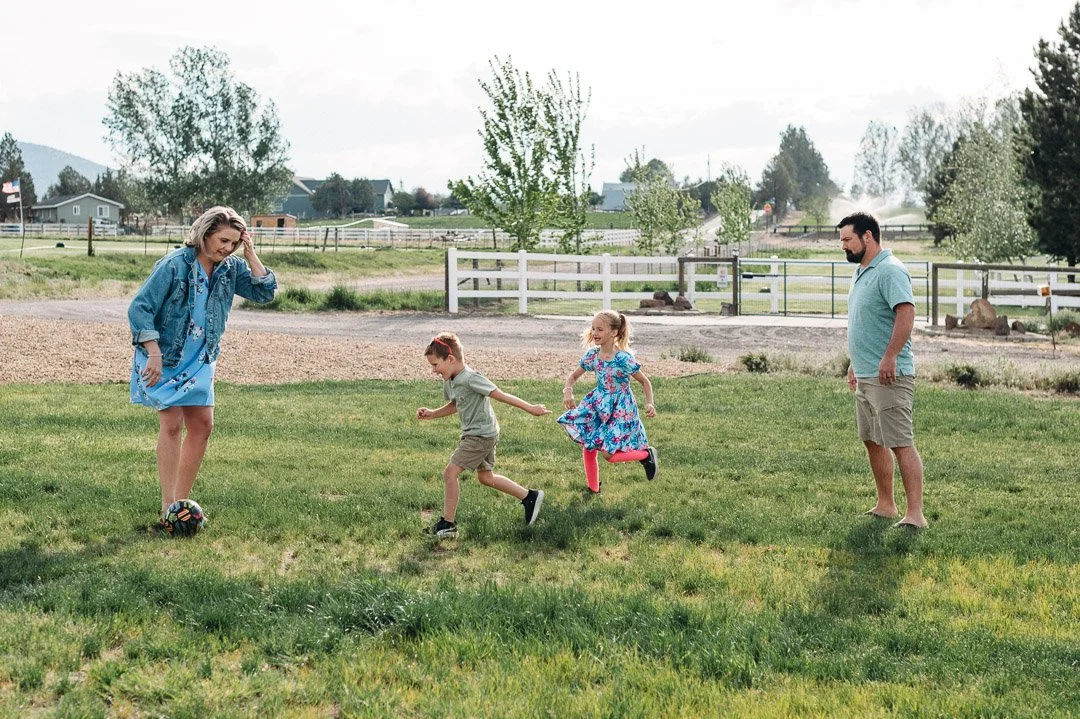
Quick checklist for styling documentary family outfits.
+ Skip mini dresses and maxi dresses to avoid clothing mishaps.
+ Aim for colors (not black or white) to add life to your images.
+ Skip clothing with large logos as those are distracting.
+ If a child is wearing a dress, put bloomers or shorts over diapers and underwear.
+ Dress for your memories, as this is your legacy.
What's next for planning documentary photos.
Prepping your mindset and your wardrobe is the first part of prepping for documentary style photos. In Part 2, we’ll cover how to choose the right location, how we handle lighting, and activity suggestions to keep your family engaged so you completely forget I’m holding a camera.
Let’s Capture Your Family’s Real Story. You don't need a Pinterest-perfect house or perfectly behaved kids to get heirloom-quality photographs - you just need to show up as you are and embrace the season you’re in.
Frequently asked questions about why documentary photography is important for families:
-
It preserves real, unposed moments that posed pictures can’t capture. Ten years from now, you’ll remember the sounds of life as a family, not the toys on the floor.
-
It’s candid, unposed photography. The photographer isn’t directing you, but rather they capture your family being yourselves for a gallery of storytelling photos.
-
No, they’ll look human. An experienced documentary photographer sees the details that make up your reality and curates the final gallery so your photos feel real and like your family.
-
Choose comfortable outfits you can move in. Pick color over black or white and nothing with large logos. Let kids’ personalities show in their clothes - even if that’s wearing rainboots or a dress-up costume.
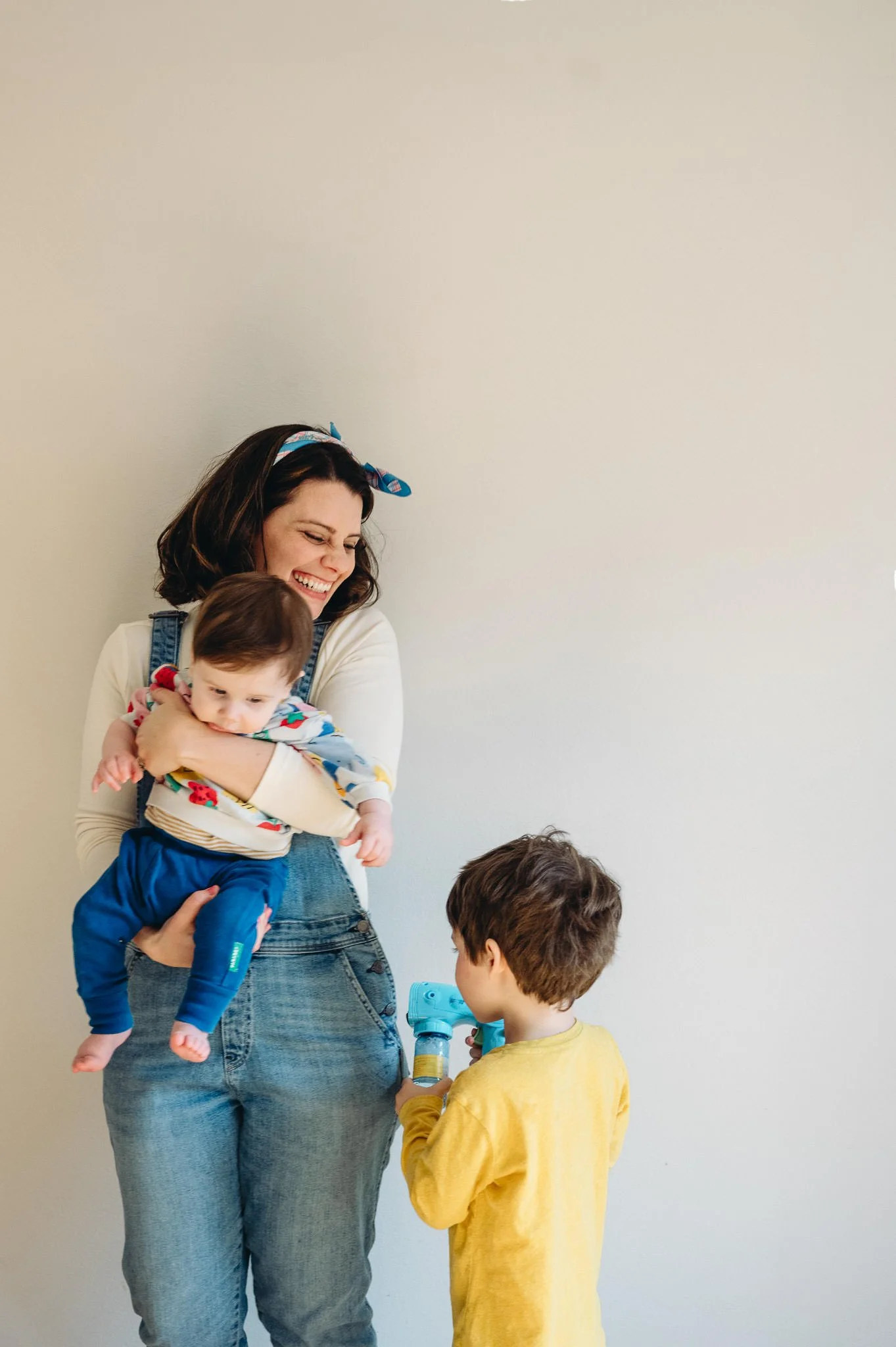
Hi, I’m Elise.
A Bend, Oregon photographer determined to make family photos more than just smiling at the camera. If you’re looking for real memories & a photographer to help make it a comfortable experience, you’re in the right place.